
The problem with pet care today
Why loving our pets more hasn't made caring for them easier
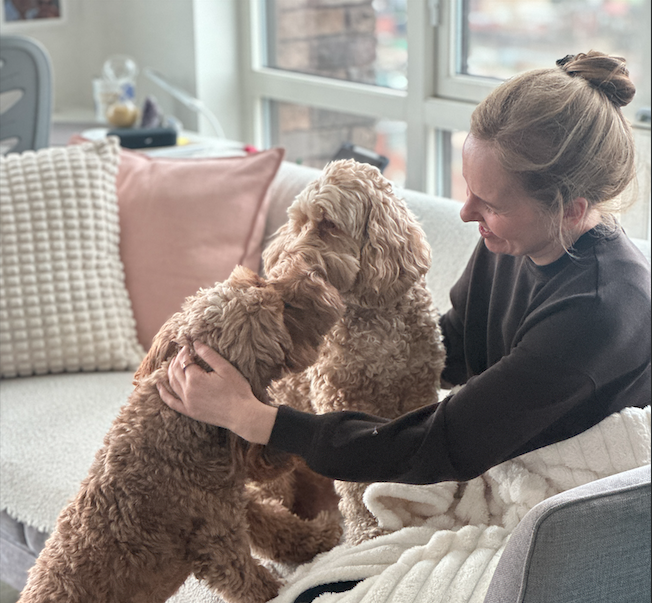
We love our pets like family. We celebrate their birthdays, buy them better mattresses than our own, and instinctively know the exact difference between "I need the toilet" and "I'm emotionally inconvenienced by the rain."
Pet care has evolved because we have evolved as human parents, carers, and pet SMEs.
The UK pet care market has more than doubled in 14 years, from £3.8 billion in 2010 to over £9.5 billion in 2024. It looks like an industry is growing, but what we at flüf see it as is a significant cultural shift. Today, 60% of British households own a pet. Gen Z pet owners spend 30% more per month on their animals than the national average. Nearly 70% of dog owners believe they should have the same workplace rights as parents when a pet is sick.
Yes, we have more pets than ever, but most importantly, we have changed our relationship with them entirely. The technology also followed. Trackers, wearables, health apps, DNA kits, smart bowls, and specialist insurance. The industry started to respond to who we were becoming.
And yet most pet owners are still managing care through memory, screenshots, paper notes, WhatsApp messages, and a mild sense of panic. And that becomes a real problem the moment something changes.
We evolved. The tech evolved, but the systems around us really did not.
The size of the problem
In the UK alone, there are an estimated 35 million pets across 17.4 million households, with ownership at record highs. Most of that growth is driven by pet owners who treat their animals as family members and companions. Emotional anchors. Routine keepers. Sometimes, unpaid therapists with excellent judgment skills and waggy tails.
We no longer just own pets; We integrate them into our family emotional system, or as we call it, ‘emotional integration’. That level of emotional investment comes with a level of responsibility that the current systems were never designed to support.
If you are a pet parent, you know exactly how much life admin a pet generates over time.
Here is a light count:
Vaccinations. Weight tracking. Behaviour changes. Food sensitivities. Medications. Sleep patterns. Allergies. Vet visits. Training notes. Insurance documents. That weird thing they did three times in March and then never again. The handover playbook you write for the sitter every time you travel, because no one knows your pet better than you, and that playbook has quietly become the bible.
Right now, none of it lives together.
Information ends up scattered across vet systems, notes apps, family group chats, emails, and memory, collected across different moments in time, owned by nobody, connected by nothing. And because there is no continuous record, owners are forced to rebuild context over and over again. Every new vet. Every sitter. Every trainer. Every emergency appointment. Every "when did this actually start?" conversation.
Pick any pet owner you know. Ask them where their pet's full health history lives. We did just that when we were researching flüf. We went to pet owner groups, we went to the parks and asked pet owners there, and we did surveys. The answer was always the same - a combination of memory, screenshots, emails, and hope.
As pet owners, we all start from zero far more often than we should. In our own research with pet owners, 64% faced an “act or wait?’ moment last year, with no context, no history, no pattern to draw on.
More data does not automatically mean better decisions
The pet industry has exploded with technology. Trackers. Wearables. Health apps. Feeding devices. Smart bowls. But most products focus on collecting data, not helping owners understand what it means in context. One elevated heart rate means very little on its own. A gradual behavioural shift across six months means something entirely different.
Patterns matter. History matters. Context matters.
At flüf, we believe that the problem is no longer a lack of information. It is that we are not connecting that information into a meaningful understanding. We have built an industry around snapshots. And snapshots are not intelligent.
Continuity is the gap we want to fill in with flüf
Humans already understand the value of longitudinal health records. Oura and Whoop have become mainstream precisely because tracking over time reveals what a single data point never could. It tells a story that means something to us, and we can make decisions and change our behaviour to help ourselves.
Our pets deserve the same level of continuity.
They cannot tell us what changed first. They cannot advocate for themselves in appointments. They cannot explain that the thing happening today started quietly three months ago. The quality of decisions made for them depends almost entirely on the quality of the history available to the person making those decisions.
And yet most owners are still expected to mentally piece together years of fragmented information every time care changes hands. Every time a vet changes. Every time a new sitter arrives. Every time something goes wrong at an inconvenient hour.
It is 2026. The tools have not caught up with who we are as pet owners today. What we are building with flüf is what we could not find on the market
flüf gives pet owners better visibility into our pet's well-being over time. Easier collaboration between everyone involved in their care. Simpler handovers. Calmer decisions when something changes. Less starting from zero.
flüf is the next generation of pet care product that helps owners see patterns earlier, share context easily, reduce uncertainty, and build a connected understanding of their animal across a lifetime.
And honestly? It is about time. 💫
flüf is in build. The waitlist is open.If your pet's story deserves to be told properly, we'd love you to be part of it
